BONNIE’S CAT DIARY
Veterinary Rehab Specialist: "Most Senior Cats Aren't 'Just Slowing Down.' They're Quietly Uncomfortable — And Nobody's Telling You Why."
By Dr. Rachel Chen, DVM, CCRP | Feline Rehabilitation & Mobility Specialist
Dec 2025
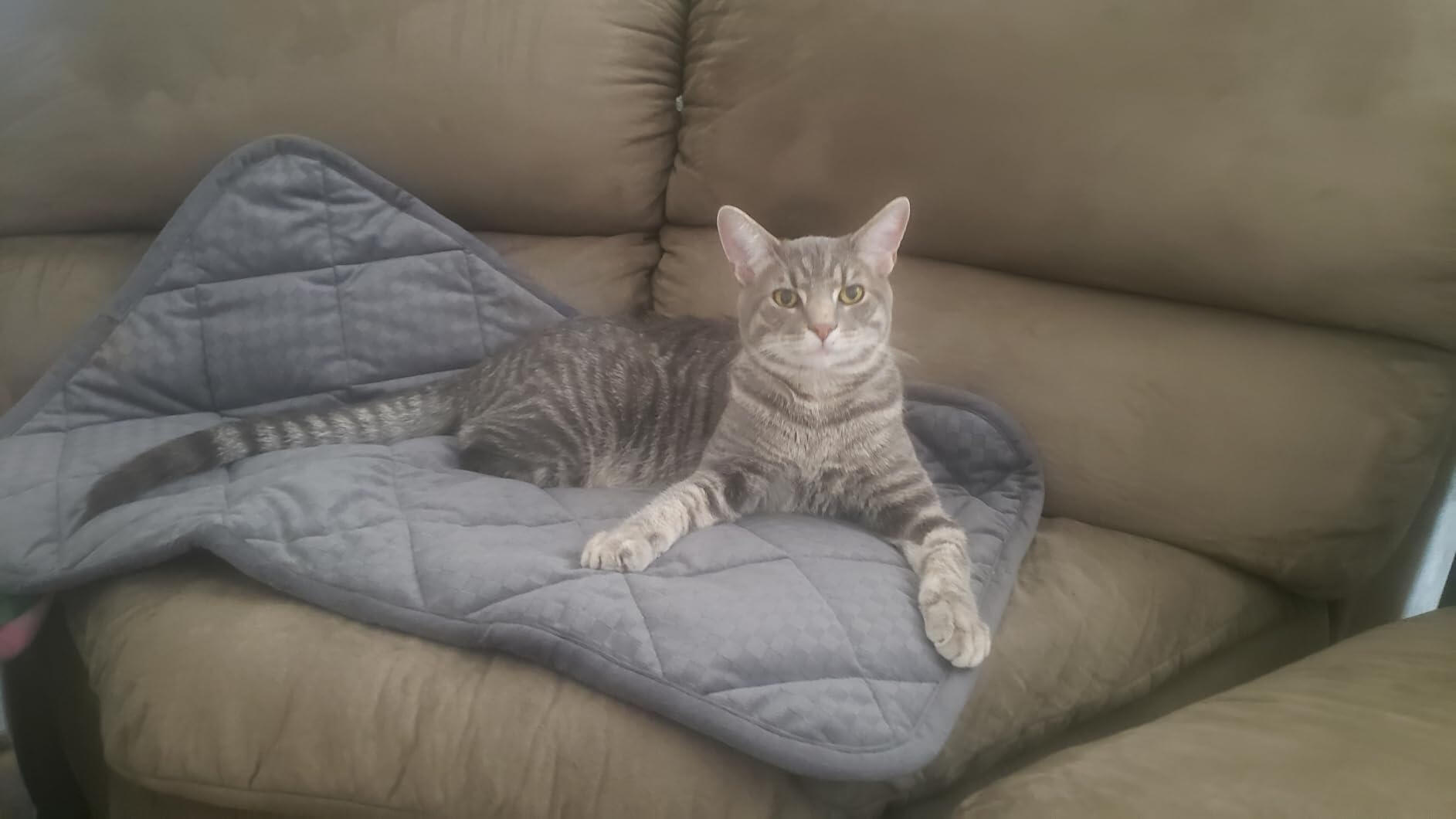
After 12 years helping senior cats with comfort and mobility issues, one conversation changed everything I thought I knew about aging cats.The owner said: "She's been checked. Bloodwork is fine. The vet says she's just getting older."But the cat was sleeping on heating vents. Pacing at night. Avoiding her bed."Just getting older" doesn't explain that.If your senior cat sleeps on tile floors, heating vents, or directly in sunbeams — even when it looks uncomfortable...If they won't use the bed you bought them anymore...If they're restless at night, resettling every 30-40 minutes, never quite comfortable...If they're stiffer in the mornings or after long naps...If they stopped jumping on furniture they used to love...And now that winter's here, you've probably noticed it's getting worse — more time on vents, longer stretches in sunny spots, slower to stand up.This isn't your fault.
And it's not "just old age."There's something working against your cat's comfort 18 hours a day — and most vets don't even mention it because they assume you already know.
Over 8 million senior cats (age 7+) are quietly uncomfortable.Not always in pain. Not always limping.But stiff. Restless. Searching for something that helps.This isn't about medications or expensive treatments.It's about what's happening to your cat's joints every single time they lie down.
After 12 Years Helping Senior Cats, One Case Haunted Me
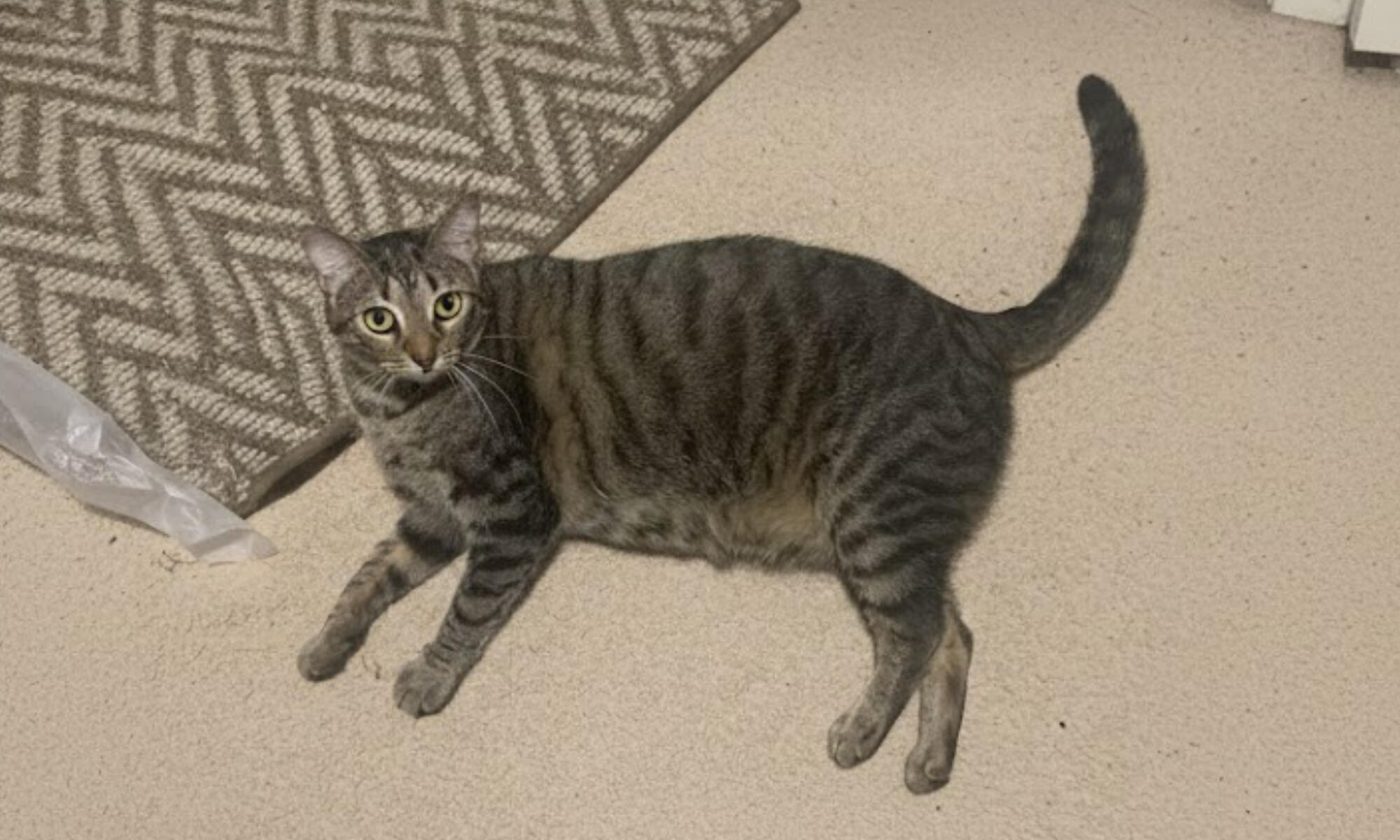
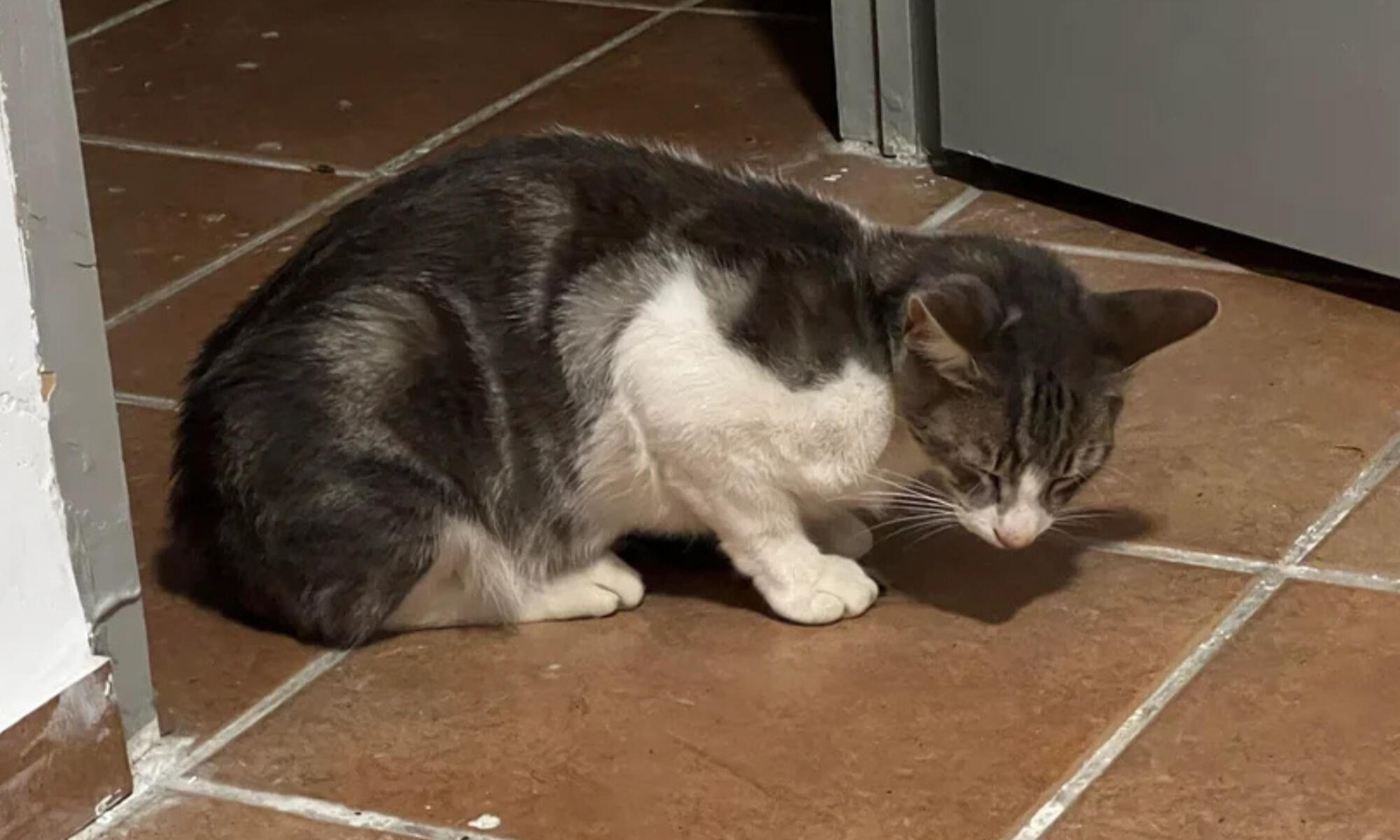
My name is Dr. Rachel Chen.I'm a veterinarian specializing in feline rehabilitation — specifically helping older cats maintain comfort and mobility as they age.For 12 years, I've seen the same pattern over and over:Loving cat parents noticing changes.Their cat is "just slowing down."Sleeping more. Moving less. Not quite themselves.Vet says: "Bloodwork is normal. She's just getting older. Keep her comfortable."So they buy a nice soft bed. Keep the house warm. Give extra love and attention.And their cat still won't settle. Still seeks out hard, warm surfaces. Still seems... off.One case made me question everything.Whiskers. A 12-year-old tabby.Her owner brought her in, frustrated and worried."The vet says she's fine. But she's not acting fine."Whiskers had stopped using her bed. Spent hours on the bathroom tile. Slept directly on heating vents with metal grates pressing into her fur.At night, she'd pace. Resettle. Pace again."She seems like she can't get comfortable," the owner said. "But I don't know what's wrong. The vet examined her. Bloodwork is normal. No obvious pain. Just... aging."I watched Whiskers in the exam room.She moved slowly but steadily. No limping. No crying.But when she laid down on the cool metal exam table, she got back up within 90 seconds.Circled. Laid down again. Got back up.She was searching for something.The owner's voice cracked."Is this just what old age looks like? Am I missing something?"I didn't have an answer that day.But that question haunted me for weeks.

The 1 AM Research That Changed Everything
I couldn't stop thinking about Whiskers.And dozens of other cats just like her.Cats who weren't "sick" by traditional measures.But weren't comfortable either.Late one night — couldn't sleep — I started searching medical literature.Not about disease. Not about pain medications.About heat and joint stiffness in aging bodies.And I found something that stopped me cold.Study after study showing that heat therapy is foundational for managing stiffness in human aging joints.Not arthritis medication. Not diagnosis of severe disease.Just... warmth.Heating pads. Warm baths. Heat wraps.It's been used for over 100 years — not to cure anything, but to maintain comfort and flexibility.A 2019 clinical study showed that maintaining consistent joint warmth reduced stiffness by up to 40% in aging patients.Another study explained why:"As bodies age, joints naturally become less flexible. When these joints experience temperature decrease, stiffness increases proportionally. Heat loss to external surfaces compounds natural aging stiffness, reducing comfort and mobility."I sat there at 1:34 AM, staring at that sentence.Heat loss compounds natural aging stiffness.And suddenly, everything clicked.
What Nobody Told Me About Cold Surfaces
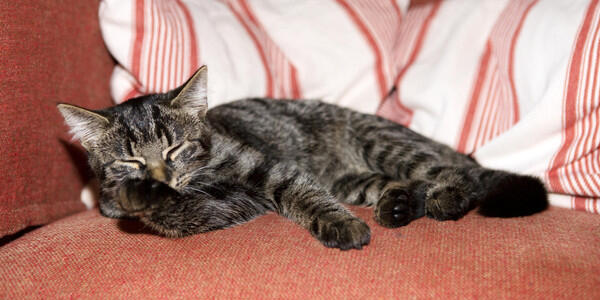
Cats' body temperature is 102°F.Most surfaces — tile floors, hardwood, carpet, even cat beds — are around 68-70°F.That's a 32-34 degree difference.Every time a cat lies down, their body heat transfers into the surface beneath them.It's basic physics. Heat moves from warm to cold.For 18 hours a day, while cats rest and sleep, their joints are continuously losing heat.And when aging joints lose heat, they stiffen.That's not arthritis. That's not disease.That's just physics working against your cat's comfort.I thought about Whiskers.She wasn't sick. Her bloodwork was perfect.But she'd been sleeping on tile floors. Resting on her soft bed.Lying on surfaces 32 degrees cooler than her body temperature.For hours. Every single day.Her body was trying to stay comfortable.But the surfaces she rested on were quietly pulling warmth away — making her stiffer, more restless, less settled.No wonder she kept moving. No wonder she sought out vents and sunny spots.Her body was telling her: "Find warmth. It helps."I pulled files for every senior cat I'd seen in the past year whose owners said the same thing:"The vet says she's fine, but she doesn't seem comfortable."Then I looked at their behaviors:
Won't use their bed
Sleeps on tile, vents, or in sunbeams
Restless at night
Stiffer in the morning
Worse in fall and winter
Every single one.These cats weren't sick.They were cold.And cold joints don't rest well — they stiffen.
Why Vet School Never Taught Me This
Here's what frustrated me:In human medicine, heat therapy for aging joints is standard.Basic. Non-negotiable.But in veterinary school?Never mentioned.I started asking colleagues."Do you talk to clients about keeping senior cats' joints warm?"Blank stares."We tell them to watch for limping. Recommend a soft bed if they seem stiff. Sometimes joint supplements."Nobody talked about heat retention.Why?Because it's not a prescription. It's not a diagnosis. It's not billable.It's just... foundational comfort care.The kind of thing that feels too simple to mention.But here's the problem:Most cat owners don't know that warmth matters this much.They think: "She has fur. The house is warm. She's fine."But cats' fur doesn't prevent heat loss to cold surfaces.And a 68-degree house doesn't mean your cat's joints stay at 102 degrees when they're lying on a 68-degree floor for 6 hours straight.The gap in education isn't malicious.It's just a blind spot.And that blind spot means millions of senior cats are quietly uncomfortable — and their owners think it's "just old age."
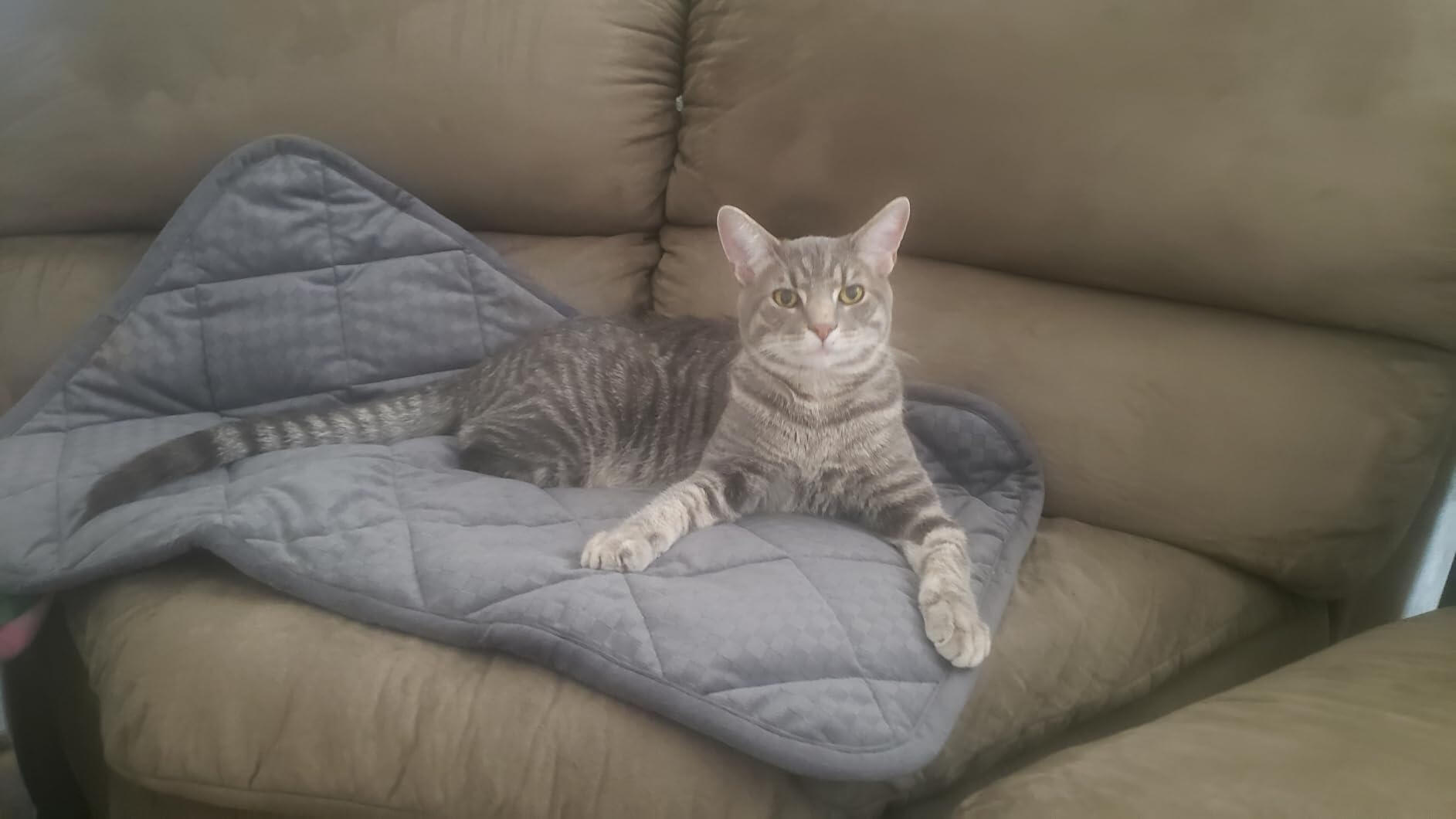
Testing the Theory Changed Everything
I had to know if I was right.I found thermal reflection technology — the same technology NASA uses, that hospitals use for patient recovery, that physical therapists use daily.It doesn't generate heat with electricity.It reflects body heat back to joints using specialized layers.I ordered thermal mats designed for pressure points — hips, spine, shoulders — where aging stiffness shows up first in cats.Then I called clients whose cats were showing those familiar signs:Not sick. Not limping. Just... not comfortable."I want to try something," I said. "It's not medication. It's not treatment. It's just warmth retention. Will you test it?"Eleven cats. All seniors. All restless or avoiding their beds. None diagnosed with severe arthritis.Within one week, nine of the eleven showed clear improvement.Sleeping through the night in one spot.Using their regular bed again (with the mat in it).Less pacing. Less resettling.Moving more easily in the morning.Same cats. Same houses. Same routines.Just warmer joints.One owner called me, voice shaking."She slept on the mat all night. Didn't move once. I haven't seen her sleep like that in over a year. I thought I was imagining the difference, but I'm not, am I?""No," I said. "You're not imagining it."Warmth matters. And when cats can keep their joints warm while they rest, they're more comfortable.It's not complicated.It's just something nobody thought to tell you.
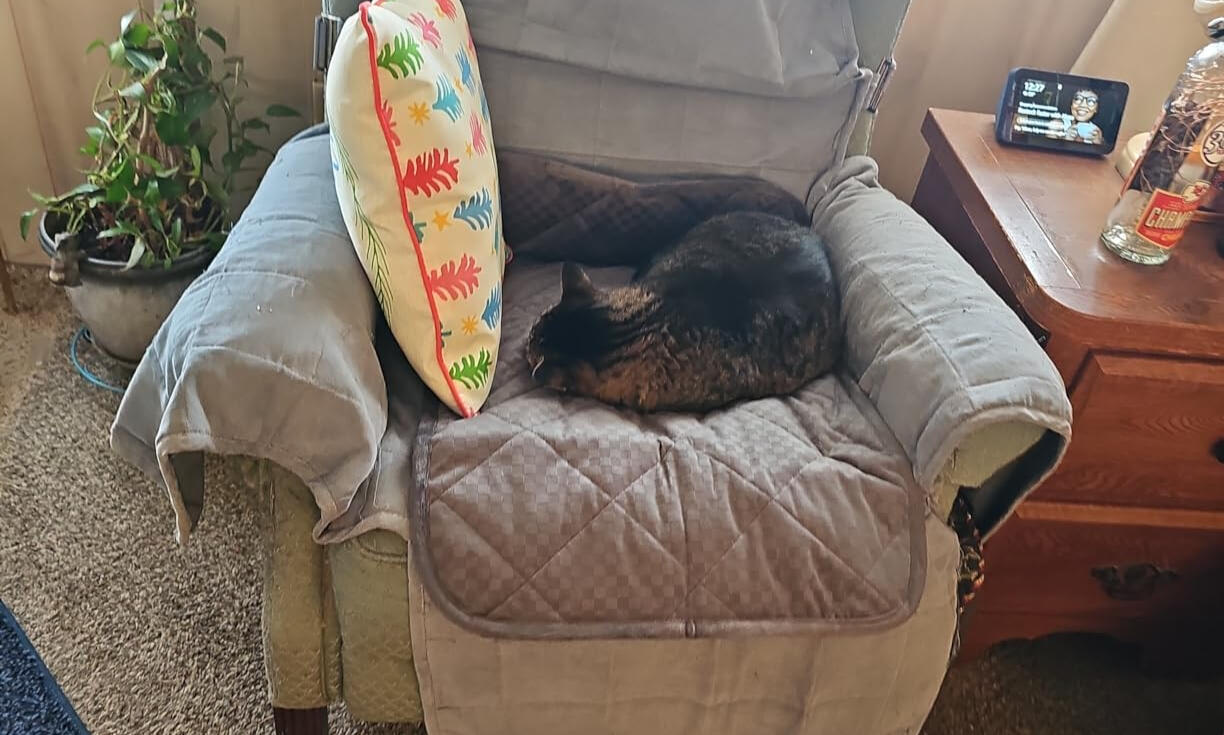
What You Need to Know About Common Solutions
Let me show you why nothing else fully works:Soft beds ($40-120)?They cushion the body. But heat still escapes through the foam into the floor beneath.Doesn't address heat loss.Blankets?Cats move. Blankets shift. Heat escapes around edges.Not targeted to joints.Electric heating pads?Fire risk. Cord hazards (cats chew). Can overheat.Can't use unsupervised 24/7.Many cats avoid them due to electrical hum they can hear but we can't.Heated cat beds?Same issues — cords, electricity, potential overheating, noise.Often abandoned by cats after initial curiosity.Keeping the house warmer?Helps, but doesn't prevent heat loss when lying on surfaces 30+ degrees cooler than body temp.Expensive. Uncomfortable for humans.None of them solve the real problem: continuous heat loss from joints to cold surfaces.That's why your cat still seeks out vents and tile and sunny spots.They're not avoiding your nice bed to be difficult.They're following their body's signal: "Find warmth."
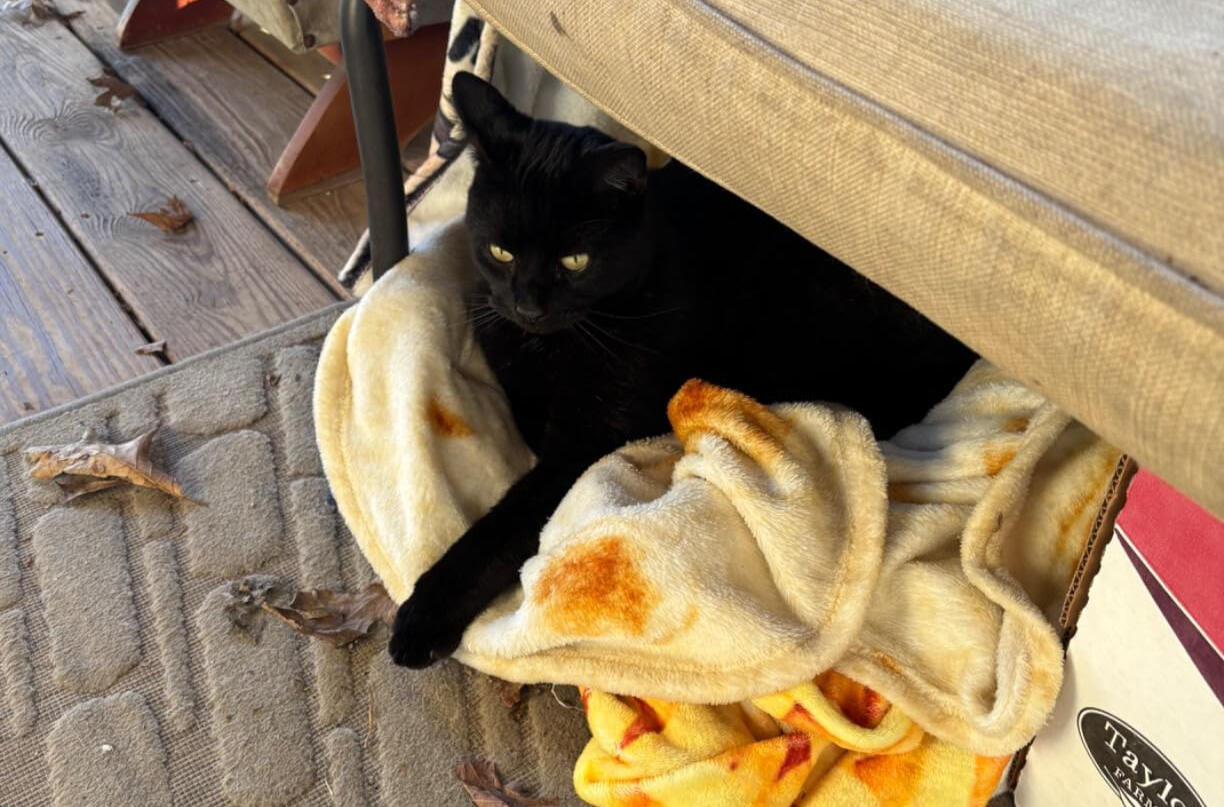
The Solution Rehab Facilities Have Used for Years
Thermal reflection isn't new technology.Veterinary rehab centers have used it for post-surgical recovery for years.It's standard equipment in professional rehabilitation facilities.One company — YetiPet — makes thermal reflection mats specifically designed for senior cats who need gentle, consistent joint warmth.Four layers:
Quilted comfort surface - Soft on joints and pressure points
Insulating core - Traps body heat instead of letting it escape
Aluminum composite reflection layer - Reflects up to 90% of radiant heat back to joints
Non-slip base - Stays in place when cat moves
No electricity. No cords. No overheating risk.Just physics working for you instead of against you.Your cat's 102-degree body heat gets reflected back to their hips, spine, and shoulders — keeping joints warm and flexible instead of letting that heat drain away.
After seeing the results in my patients, I now recommend thermal management to every single client with a senior cat showing signs of stiffness or restlessness.The results have been remarkably consistent:Most cats sleep more peacefully within 3-5 days.
Most move more easily in the morning within a week.
Most stop seeking out hard, warm surfaces and use the mat instead within 2 weeks.Not because anything was "fixed."Because their joints stayed warm while they rested — and warm joints are flexible joints.
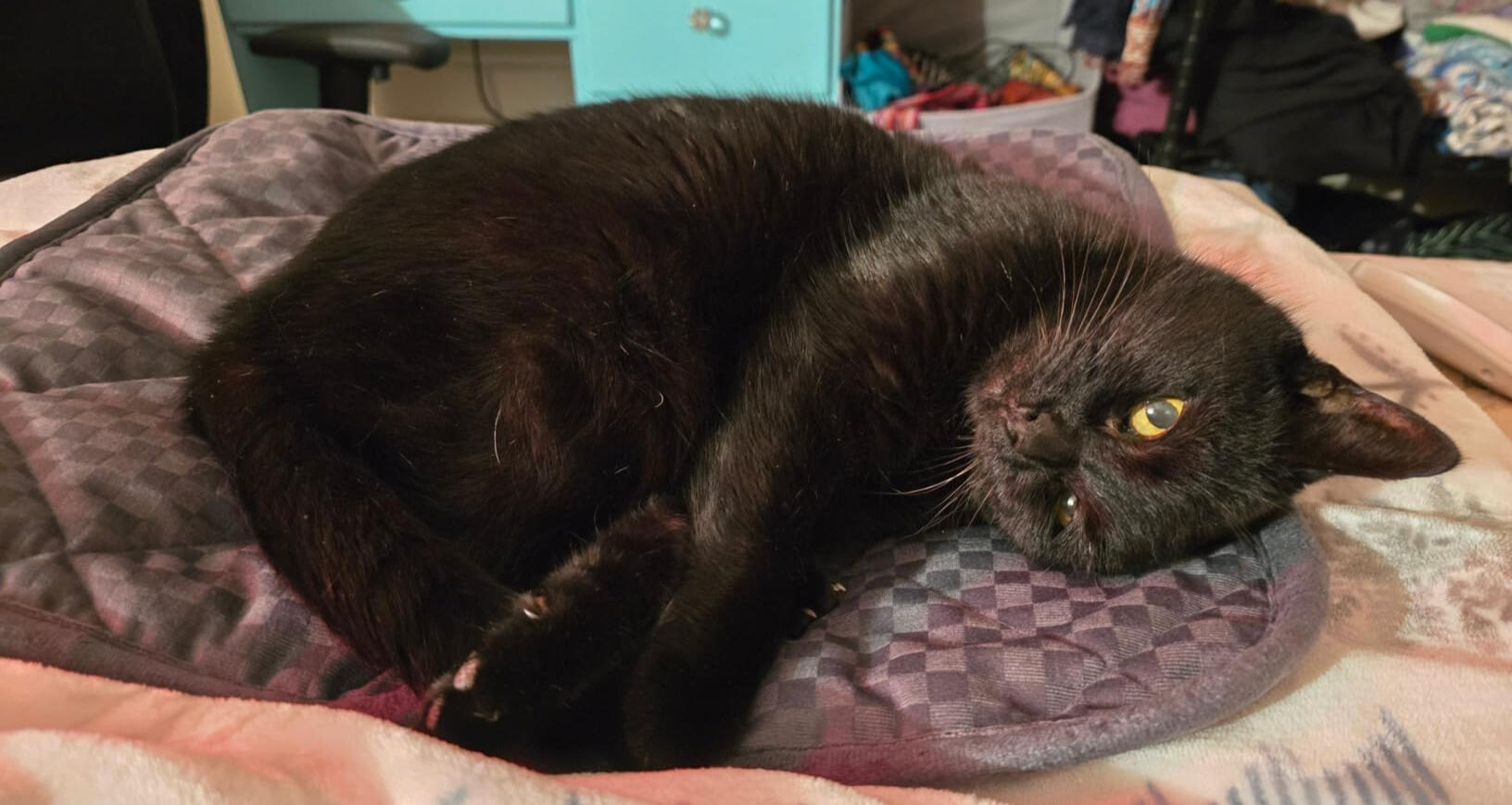
What "Normal" Should Actually Look Like
After seeing hundreds of cats improve with thermal management, I realized something:We've accepted discomfort as normal aging.We think:"Old cats are stiff in the morning" (No — their joints were cold all night)"They sleep on tile because cats are weird" (No — they're desperately seeking any warmth)"They're restless at night" (No — they can't stay comfortable on cold surfaces)"They don't jump anymore because they're old" (Partly — but also because their joints are stiff from heat loss)A comfortable senior cat should:
Sleep through the night peacefully in one spot
Stand up without a prolonged stretch or visible stiffness
Move around comfortably after resting
Not pace or resettle constantly
Not abandon soft beds for hard, warm surfaces
This should be the baseline.Not a luxury.
Why This Matters Right Now
Winter is here.Your cat has months of cold weather ahead.Every cold morning.Every time they lie down on a surface 32 degrees cooler than their body.Every restless night searching for warmth.It compounds.Since I started sharing this with the veterinary community, more practitioners are discovering thermal management.YetiPet told me their mats have been selling faster than expected — especially now with colder weather making the heat loss problem impossible to ignore.They're running a discount right now, but inventory moves quickly in winter months.They offer a 60-day money-back guarantee.If your cat doesn't sleep better, move more comfortably, and show improved settling behavior, return it.But based on what I've seen over the past year with my patients, I don't think you'll return it.I think you'll see your cat:✓ Sleep peacefully in one spot instead of pacing
✓ Move more easily after waking up
✓ Stop seeking out uncomfortable warm surfaces
✓ Actually use the bed you bought them
✓ Stay more comfortable through winterNot because you treated a disease.Because you finally gave their aging joints what they've been asking for: consistent warmth.
One More Thing
I think about Whiskers often.I think about her owner asking: "Am I missing something?"Yes. But not because you failed.Because nobody told you warmth matters this much.Your vet didn't mention it because it seems too simple.The internet says "get a soft bed" but doesn't explain heat loss.And your cat can't tell you in words: "I'm not comfortable because I'm cold."So they tell you the only way they can:By sleeping on vents.By lying in sunbeams for hours.By pacing at night.By avoiding the bed you lovingly bought them.They're not being difficult.They're trying to stay comfortable the only way they know how.You can give them what they're searching for.Without medications. Without vet visits. Without anything complicated.Just warmth. Where it matters. When it matters.